If You Have No Audience, Start With Comparison Keywords Before Reviews
New affiliate sites often struggle to gain traction with broad review content. Leveraging comparison-intent keywords can unlock earlier affiliate revenue by targeting shoppers already deciding between options.
Avery writes about trends, platforms, and strategic shifts in make money online & online business, with attention to what matters in practice.
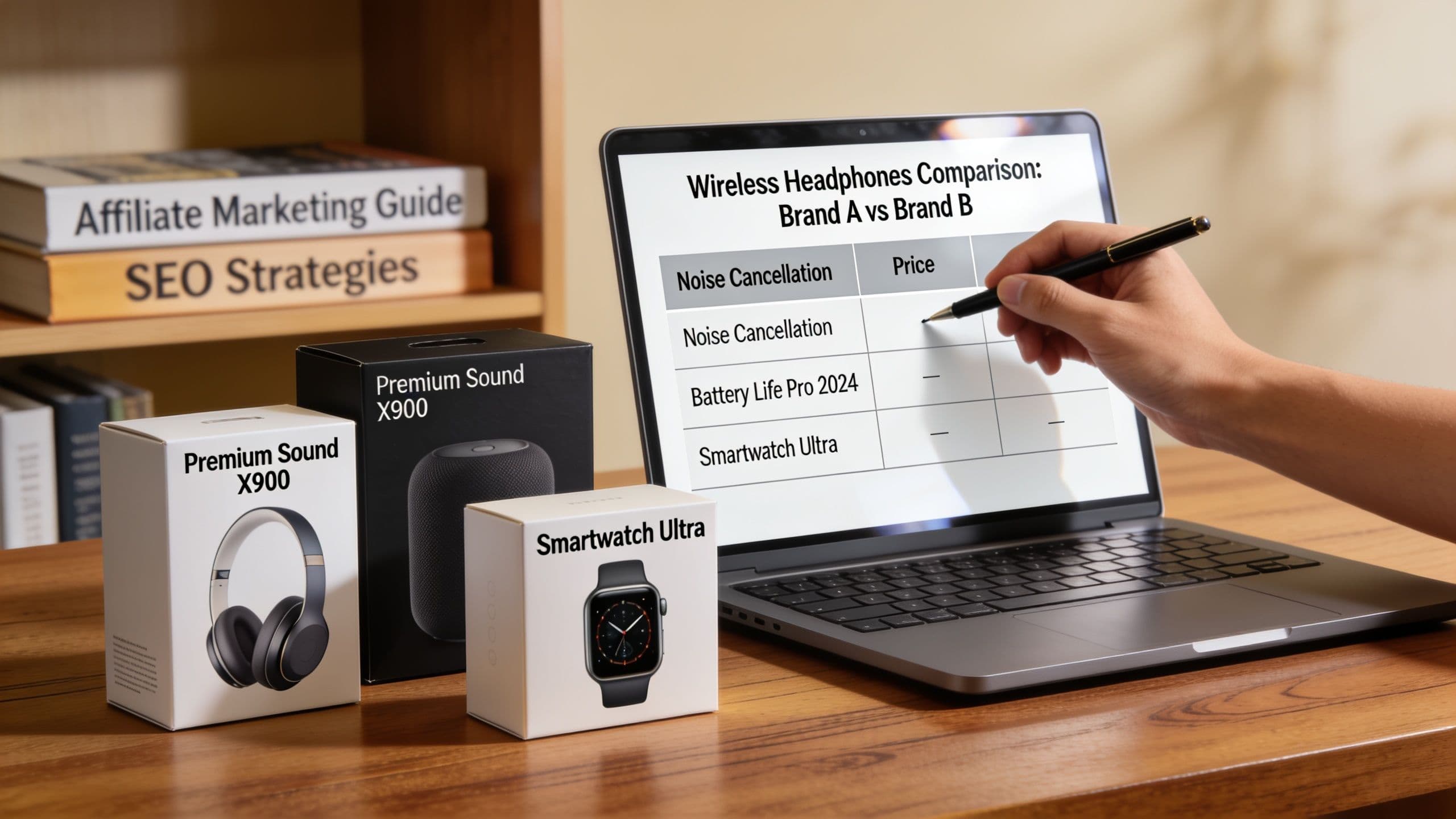
Why New Affiliate Sites Struggle with Classic Review Content
Many beginner affiliate marketers lean into broad review articles for their initial content strategy—writing in-depth reviews of individual products or services. While comprehensive reviews are crucial long-term assets, they frequently face stiff competition from established authority sites and recognized brands. Without an existing audience or link profile, new sites find it difficult to rank for high-volume review keywords. These queries tend to attract top-tier publishers with significant domain strength. The result? Minimal organic traffic and slow affiliate income during the crucial early months.
Comparison Keywords and Their Buyer Intent Advantage
Comparison keywords inherently have strong commercial intent. Users searching for "Product A vs Product B" or "Brand X vs Brand Y" are often further along in the buying funnel. They’re actively evaluating options, not just researching features. This intent translates into higher conversion potential. Additionally, comparison queries tend to be less competitive than generic product reviews. Fewer sites target direct side-by-side comparison content, especially from new publishers, creating an opportunity to capture these precise decision-stage searches.
Focusing on comparison keywords allows new affiliate sites to position themselves as useful, practical resources for shoppers needing help differentiating similar options. This aligns the content with immediate buyer needs and increases chances of affiliate clicks and commissions.
The SERP Patterns That Favor Side-by-Side Pages
Search engine results pages (SERPs) for comparison keywords often emphasize side-by-side content, delivering results that clearly differentiate products by features, pricing, or user scenarios. Google’s algorithms recognize the value of direct comparisons for transactional queries and frequently showcase comparison tables, pros and cons lists, and detailed breakdowns.
For example, a search like "best smartphones under $500 comparison" commonly displays snippets highlighting comparative specifications or user ratings. New affiliate sites targeting these queries can leverage schema markup or clear content structures to improve click-through rate and SERP prominence.
By contrast, SERPs for generic reviews tend to be dominated by a handful of long-standing publications, magazines, or ecommerce giants with expansive content and authority.
How to Structure a Conversion-Focused Comparison Article
A well-crafted comparison article focuses on clarity, relevance, and user decision-making support:
Lead with an Engaging Introduction: Briefly explain the buying scenario and why comparing these products matters.
Feature Table: Use a concise comparison table listing key specs, benefits, and price points. Tables enable quick scanning and reinforce the side-by-side angle.
Pros and Cons for Each Product: Highlight unique strengths and weaknesses to help readers understand trade-offs.
Use Cases and Buyer Personas: Suggest which product fits specific user needs or budgets.
Call-to-Action (CTA) Buttons: Place affiliate links contextually near key comparisons and at article end for intuitive navigation.
Answer Common Questions: Address doubts through mini FAQs or summary sections to reduce friction.
Ensure your writing is objective but persuasive, helping users feel confident in their choice.
Monetization Opportunities Inside Comparison Content
Comparison content presents multiple monetization touchpoints:
Affiliate Links in CTAs: Contextually place affiliate links where readers are ready to buy.
Comparison Tables: Clickable product names or buttons in tables drive conversions.
Sponsored Content and Native Ads: Brands may pay for inclusion or priority placement.
Email Capture for Further Follow-Up: Encourage newsletter sign-ups to nurture visitors with exclusive deals.
Compared to generic reviews, comparisons engage visitors evaluating several product options, increasing the chances of clicks across multiple affiliate links, diversifying revenue streams.
Supporting Content That Strengthens These Pages
To boost rankings and authority:
Create detailed individual product reviews for the comparing products,
Publish buyer’s guides educating users on choosing criteria,
Develop content focused on related topics such as accessories, product maintenance, or industry news.
Interlinking these assets signals topical expertise to search engines and offers readers comprehensive resources, increasing time on site and conversion potential.
Mistakes That Make Comparisons Feel Generic
Avoid pitfalls that undermine the effectiveness of comparison content:
Superficial Analysis: Don’t just list specs; explain what they mean for user experience.
Ignoring User Intent: Tailor comparisons to real buyer scenarios, not just feature dumps.
Neglecting Neutrality: Overly biased or salesy content deters trust.
Poor Formatting: Dense blocks of text or lack of visual aids reduce readability.
Skipping Conversion Optimization: Without clear CTAs, traffic may not convert.
Balancing thoroughness with readability and authenticity is key.
A Starter Plan for the First Ten Comparison Pieces
1. Identify top products within a niche you understand well. 2. Use keyword research tools to find comparison terms with manageable competition and clear buyer intent. 3. Prioritize pairs or small groups of offerings frequently searched together. 4. Draft compelling, conversion-oriented comparison articles following the described structure. 5. Build and promote supporting content around these comparisons. 6. Monitor analytics to refine keyword focus and conversion elements.
This approach helps new affiliate sites generate affiliate revenue faster by capitalizing on product comparisons that align closely with purchasing decisions.
By starting with buyer-intent comparison keywords rather than broad reviews, beginners can overcome authority gaps and achieve earlier affiliate success.
Safety & Scope
This article is for general informational purposes and does not replace professional advice for complex repairs or installations.
Frequently Asked Questions
+Do comparison articles convert better than reviews?
Comparison articles often convert better because they target users who are further along in the buying process and actively deciding between options. This intent alignment typically leads to higher click-through rates on affiliate links compared to broader, information-focused review content.
+How do you choose products to compare as a beginner?
Begin by researching pairs or groups of products that are commonly searched together and cater to similar needs or price points within your niche. Use keyword tools to identify comparison terms with good search volume but lower competition. Focus on products you understand well to create authentic and helpful content.
+Can comparison keywords work in software and physical-product niches?
Yes, comparison keywords perform well across both software and physical-product niches. For software, users often compare features, pricing tiers, and integrations. For physical products, buyers look at specifications, quality, and value. Tailoring comparison content to the specific decision factors in your niche maximizes effectiveness.