How Faceless Content Brands With Email Lists Monetize Differently Than Social-Only Pages
Faceless content brands that cultivate email lists have fundamentally different monetization advantages and risks compared to those relying solely on social media platforms. Understanding these distinctions can guide creators and niche publishers toward more sustainable audience businesses.
Maya covers make money online & online business with an emphasis on practical analysis, products, and real-world impact.
What Makes a Faceless Content Brand Durable
Faceless content brands—those that do not rely on a recognizable personal identity or on-camera personality—have flourished with the rise of digital media. Their durability hinges on repeat engagement, trusted niche authority, and diversified revenue streams. Unlike traditional influencer-driven brands, faceless brands rely primarily on content, community, and consistent value rather than individual charisma.
Durability also comes from control over audience relationships and data. Without owning those relationships directly, a brand is at mercy of third-party platform algorithms and policies—which can change suddenly and undermine reach.
Social Audience Versus Owned Email Audience
Social media platforms like Instagram, TikTok, and YouTube let creators reach millions quickly but represent rented real estate. Audience engagement metrics (followers, likes, comments) offer visibility but grant limited control over distribution or long-term connection.
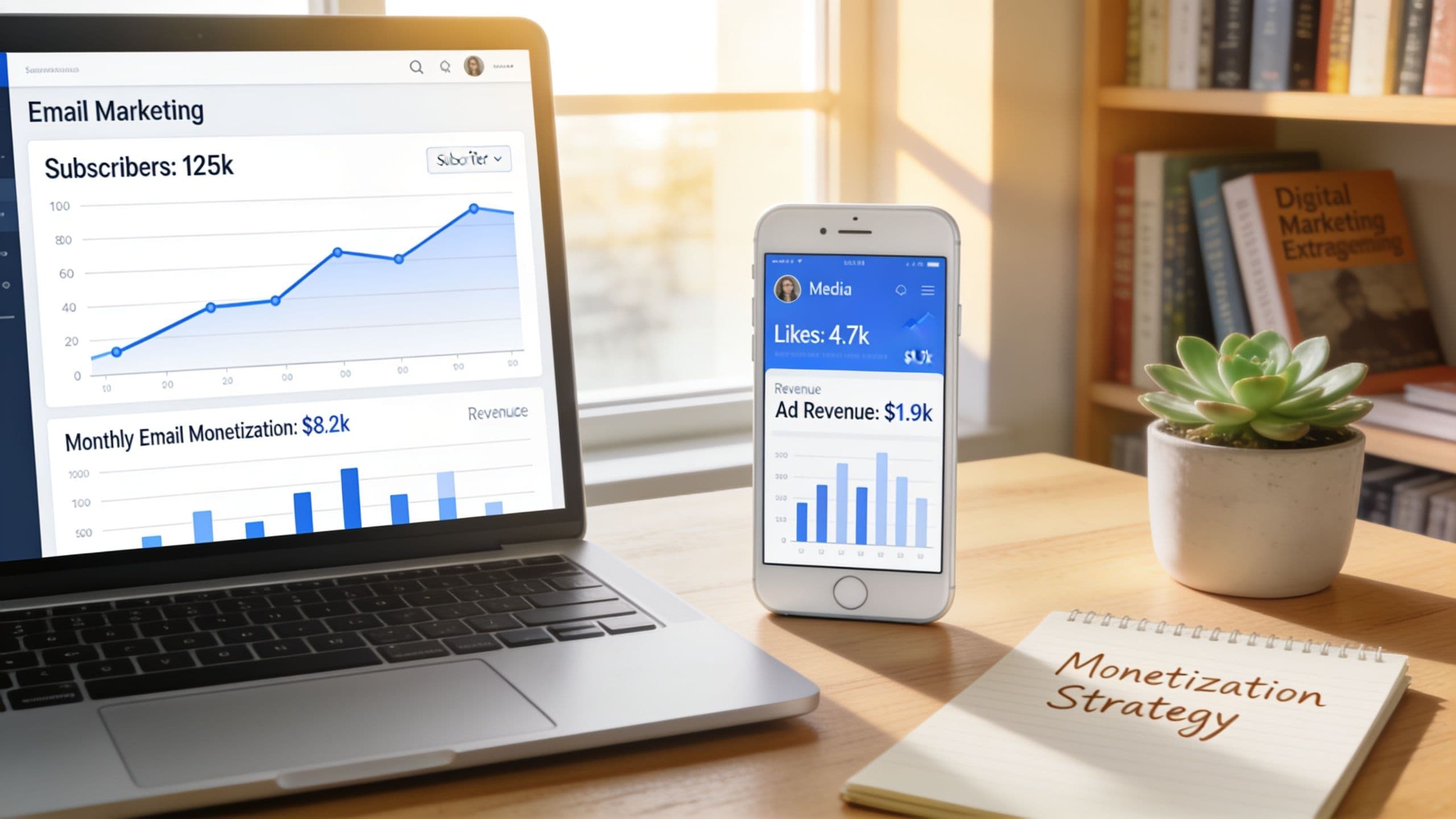
By contrast, an owned email list offers direct, persistent communication channels to an audience that has explicitly opted in. Email audience members have often demonstrated deeper interest, making them more receptive to offers. Additionally, email data is portable and protected from platform deplatforming or algorithm shifts.
A social-only strategy prioritizes maximizing viral hits and consistent posting to maintain growth momentum. Meanwhile, brands with email lists often grow more deliberately, balancing public content to attract followers with deeper nurturing content reserved for subscribers.
Monetization Options for Each Model
Social-Only Brands:
Ad revenue: Primarily on platforms like YouTube through pre-roll ads or TikTok creator funds.
Sponsored content: Brand deals leveraging social follower counts.
Affiliate marketing: Linking products in captions, though with lower conversion predictability.
These models depend heavily on follower engagement metrics and often require high traffic to be sustainable.
Faceless Brands With Email Lists:
Product launches: Courses, ebooks, or memberships sold directly to a warm list.
Subscription models: Newsletters or exclusive content behind paywalls.
Affiliate partnerships: Promoted to a highly segmented list with personalized messaging.
Upsells and cross-sells: More effective due to direct response channels.
Email-driven monetization typically achieves higher conversion rates and revenue per subscriber than social channels, creating a more stable business foundation.
Why Email Increases Launch Leverage
Email lists empower faceless brands to execute product launches or sales campaigns with precision and scale. Whereas social media requires continual content push to hit diverse algorithms, emails land directly in the subscriber’s inbox. This direct reach results in higher open rates and buyer intent, allowing brands to achieve significant sales spikes with fewer overall impressions.
Brands like The Hustle and Morning Brew showcase how newsletters can drive substantial revenue through well-timed product or event launches, reflecting the broader potential for faceless brands leveraging owned email assets.
Content Workflows for Faceless Audience Building
Successful faceless brands adopt multi-channel workflows that funnel social followers into email subscribers. Content might start as engaging, broadly appealing social posts or videos, then invite followers with lead magnets (e.g., free guides, templates) to join an email list.
Once subscribers are onboarded, brands deliver segmented, personalized email sequences fostering trust and deeper engagement. Over time, this nurtured audience becomes more responsive to monetization initiatives.
Automation tools have made these workflows accessible to side-hustlers and small publishers, enabling efficient growth without heavily relying on personal branding.
Risks of Platform Dependence
Social-only brands face significant risks stemming from opaque algorithm changes, platform bans, or content policy shifts. For example, Facebook’s multiple algorithm adjustments over recent years have severely impacted organic reach, forcing many creators to pay for ads or shift focus.
Faceless brands that only use social channels remain vulnerable to these shifts and often see unpredictable income streams.
Owning an email list mitigates these risks by creating a resilient audience base outside the control of any single platform. This independence is critical for long-term financial sustainability.
Building a Bridge from Social Reach to Owned Subscribers
To maximize both reach and monetization, faceless brands must actively convert social followers into email subscribers. Strategies include:
Clear call-to-actions in social content linking to landing pages.
Offering high-value, free content upgrades in exchange for email sign-ups.
Hosting interactive events or challenges that require email registration.
Leveraging limited-time offers exclusive to subscribers.
By investing in this bridge, faceless creators ensure that their audience engagement translates into tangible business assets rather than ephemeral metrics.
Conclusion: While social platforms are essential for rapid audience discovery and brand awareness, faceless content brands achieve greater monetization efficiency, launch power, and sustainability through owning an email list. For creators and niche publishers aiming to build enduring audience businesses, prioritizing email list growth alongside social media presence is a strategic imperative.
Safety & Scope
This article is for general informational purposes and does not replace professional advice for complex repairs or installations.
Frequently Asked Questions
+Do faceless brands need an email list?
While not absolutely required, faceless brands benefit greatly from owning an email list because it gives them direct, reliable access to their audience, improves monetization potential, and reduces reliance on unpredictable social media algorithms.
+How do faceless content businesses make money?
They monetize through a combination of ad revenue, sponsored content, affiliate marketing on social channels, and more effectively through product launches, subscriptions, and direct offers via their email lists.
+Is social media enough for a faceless business?
Social media alone can generate audience growth and some revenue, but relying solely on social platforms exposes the business to algorithm changes and platform risks. Owning an email list provides stability and deeper engagement.
+Why is email more valuable than followers for monetization?
Email subscribers have opted in to receive content, showing higher intent and engagement. Direct communication means higher conversion rates and better control over when and how monetization opportunities are presented, unlike passive social followers.