How Canva Template Shops Become Real Businesses With Niche Positioning
Template sellers can break free from crowded commodity markets by specializing in specific industries, use cases, and customer outcomes—transforming their shops into sustainable businesses.
Jordan specializes in turning complex make money online & online business topics into clear, useful explainers for everyday readers.
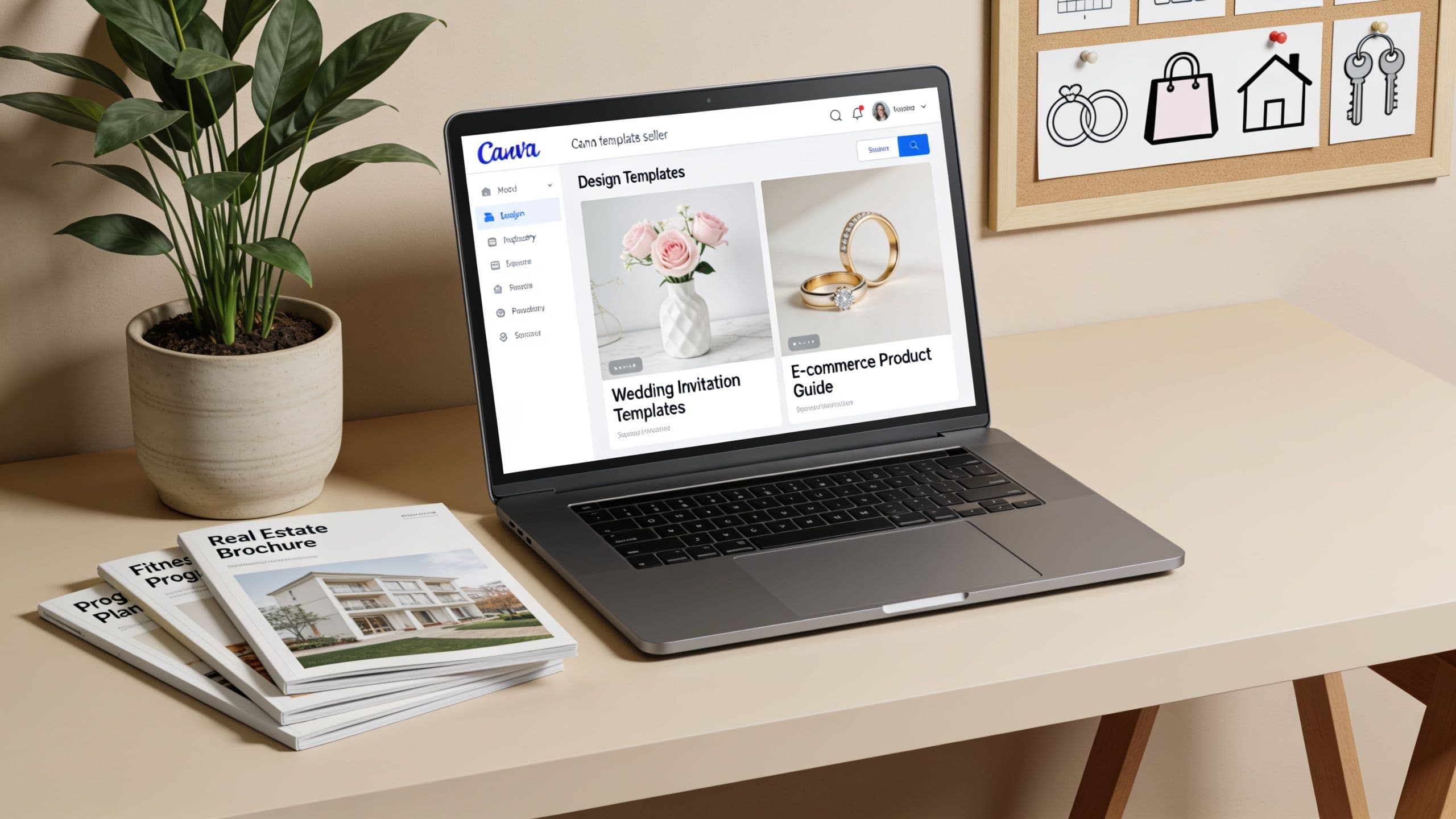
Why Generic Template Shops Struggle
Generic Canva template shops often face a saturating market where their products blend into thousands of similar listings. Buyers encounter overwhelming choices for basic templates with little differentiation on platforms like Etsy or Creative Market. This commoditization drives prices down and customer loyalty is minimal, as purchasers often shop solely by price instead of brand or quality. Without a unique focus, sellers rely on volume and frequent new listings to keep sales afloat, which is not a scalable or sustainable approach.
The Power of Niche Positioning in Template Businesses
Niche positioning offers template creators a strategic way to break away from generic competition. By aligning templates around specific industries—such as real estate agents, health coaches, or wedding planners—or particular use cases like social media calendars, pitch decks, or email newsletters, sellers can better meet precise customer needs. This specificity creates perceived higher value, allows clearer marketing messaging, and builds deeper trust with buyers looking for tailored solutions rather than generic files.
A well-defined niche also enables sellers to develop expertise over time, improving template quality and creating a recognizable brand identity. For instance, a Canva shop dedicated exclusively to fitness influencer templates can optimize designs for Instagram and TikTok, include genre-specific copy snippets, and address pain points common to that audience.
Customer Segments That Buy for Speed and Convenience
Most buyers of Canva templates seek to save time and avoid the complexity of designing from scratch. This includes small business owners juggling multiple roles, freelancers offering quick client turnarounds, and solopreneurs looking to maintain consistent branding with minimal effort. Positioning templates to emphasize not just design appeal, but also ease of customization and practical results—such as boosting social media engagement or professionalizing proposals—resonates strongly with these segments.
Taking the example of wedding planners, their buyers want event timelines and signage they can quickly personalize and print without graphic design skills. In such niches, product descriptions highlighting simplicity and ready-to-use features enhance buyer confidence and repeat purchase likelihood.
Packaging, Pricing, and Upsell Opportunities
Niche shops can justify premium pricing by offering specialized templates that deliver clearer outcomes. Bundles themed for particular industries or workflows provide convenience and higher perceived value, encouraging larger upfront purchases. For example, an "Instagram Brand Kit" for mental health professionals including post templates, highlight icons, and story stickers simplifies their entire content strategy.
Upselling and cross-selling also become more natural in a niche market. Sellers can offer add-ons like tutorial videos, editable brand kits, or one-on-one customization services, increasing the average transaction value. Subscription models granting access to monthly updated template collections tailored to a niche are gaining traction as a recurring revenue stream.
Where to Sell: Marketplaces vs Owned Audience
Marketplaces like Etsy remain important for initial discovery, but they replicate the challenges of commoditization and fee structures. More forward-thinking sellers invest in building their own websites and email lists, enabling direct relationships with customers and full control over branding and margins.
A niche-focused website can feature detailed case studies, customer testimonials, and a content hub addressing industry-specific challenges—helping convert casual visitors into loyal buyers. Integrations with platforms like Shopify, Gumroad, or PayHip streamline digital product sales. Social media channels and targeted ads amplify the reach within the defined audience, making marketing more efficient and effective.
Systems for Expanding a Template Catalog Intelligently
Once a niche is established, expansion should follow strategic considerations instead of random adding. Data-driven approaches involve tracking customer feedback, bestseller templates, and emerging trends within the niche. This informs consistent product updates and new releases aligned with real demand.
Maintaining a cohesive brand style across templates encourages repeat business and easier cross-selling. For example, if a shop serves real estate agents, expanding from social media posts to flyers, open house signs, and client report templates creates a comprehensive ecosystem buyers trust.
Incorporating customer requests and customization options can uncover hidden opportunities and strengthen community ties. Structuring product development in phases—from core essentials to advanced add-ons—facilitates manageable workload and steady growth.
Canva template sellers who prioritize niche positioning transform from mere listings into trusted brands, unlocking higher margins, improved customer retention, and sustainable business growth in a crowded digital market.
Safety & Scope
This article is for general informational purposes and does not replace professional advice for complex repairs or installations.
Frequently Asked Questions
+Are Canva templates still profitable to sell?
Yes, Canva templates remain profitable, especially for sellers who differentiate themselves through niche specialization, high-quality design, and targeted marketing. Generic templates face stiff competition and low margins, but focused shops catering to specific industries or use cases can build loyal customer bases and command premium pricing.
+What niche template categories sell best?
Categories with clear, repeatable needs tend to perform best. Examples include social media templates for fitness instructors, branding kits for small businesses, event planning templates for wedding coordinators, and marketing materials for real estate professionals. Templates that save users time and address specialized challenges stand out in the marketplace.
+Should you sell Canva templates on Etsy or your own site?
Starting on marketplaces like Etsy provides exposure to broad audiences but comes with high competition and fees. To build a sustainable business, many sellers expand to owned websites where they control branding, pricing, and customer relationships. Combining both approaches often yields the best results, using marketplaces for discovery and a personal site for customer retention and upsells.